

Wraps vs Flatbread: What's the Difference?
5 July 2026
In this guide, we’ll explore the history, ingredients, uses, and health benefits of both wraps and flatbreads, helping you figure out exactly what's the difference.
When it comes to quick meals, snacks, or street food, wraps vs flatbread is a debate that sparks curiosity and confusion. Both are versatile, portable, and perfect for rolling up your favorite fillings, but do they serve the same purpose in your meal? While they share some similarities, they each bring a unique texture, flavor, and origin to the table.
In this guide, we’ll explore the history, ingredients, uses, and health benefits of both wraps and flatbreads, helping you figure out exactly what's the difference between flatbread and wraps and whether one is healthier than the other.
The History of Flatbread and Wraps
Flatbread is one of the oldest forms of bread, with origins that trace back to ancient civilizations. Cultures from the Middle East to South Asia have long enjoyed this simple yet satisfying food, with some of the earliest forms dating back over 6,000 years. Traditionally made with flour, water, and salt (sometimes without yeast), flatbreads are often baked on hot stones or in ovens, resulting in a soft, chewy texture or a crispy bite, depending on how it's prepared.
Wraps, on the other hand, are a more modern invention. While their history isn't as ancient as flatbread’s, wraps are often thought of as a Westernized spin on traditional flatbreads. The concept of "wrapping" fillings in a flat piece of bread became widely popular in the late 20th century, especially with the rise of fast casual dining. Think burritos, shawarma, and the increasing popularity of wraps at sandwich shops and delis.
What Is Flatbread?
Flatbreads are, as the name suggests, flat and typically unleavened. They come in a variety of forms, from the soft and pillowy naan to the crispy pita. They are usually round, though they can take on many shapes depending on regional influences.
Common features of flatbreads include:
Soft, chewy or crisp texture
Unleavened or lightly leavened
Baked on hot surfaces like stones, griddles, or ovens
Simple ingredients: flour, water, salt, and sometimes oil or dairy
Versatility: served as a side, for dipping, or wrapped around fillings
Popular varieties of flatbread include:
Pita
Naan
Chapati
Lavash
Flatbreads are commonly used in Mediterranean, Middle Eastern, and South Asian cuisines.
What Is a Wrap?
A wrap is essentially a large, flexible piece of flatbread that’s been designed specifically for wrapping fillings. Typically softer than many traditional flatbreads, wraps are often made with the same basic ingredients (flour, water, salt), but they might also contain added fats like butter or oil to make them more pliable and easier to roll.
Common wrap characteristics include:
Soft and pliable
Thicker and more flexible than flatbreads
Perfect for holding a variety of fillings
Made with flour, water, salt, and oil or fat
Available in different types, such as brioche style, low-carb, and protein.
Wraps have become popular worldwide, especially in fast food chains, where they are used to wrap everything from grilled chicken to fresh veggies.
Flatbread vs Wrap: The Key Differences
Now, let’s dive into the difference between flatbread and wraps. While both are essentially flat, unleavened breads, their textures, uses, and origins differ.
Texture
Flatbread: Generally, flatbreads can be soft or crisp, depending on how they are made. Think of a soft naan or a crisp pita. The texture often varies based on the cooking method.
Wrap: Wraps are designed to be soft and flexible. They're often thicker than flatbreads, making them ideal for rolling and holding fillings without cracking or breaking.
Use
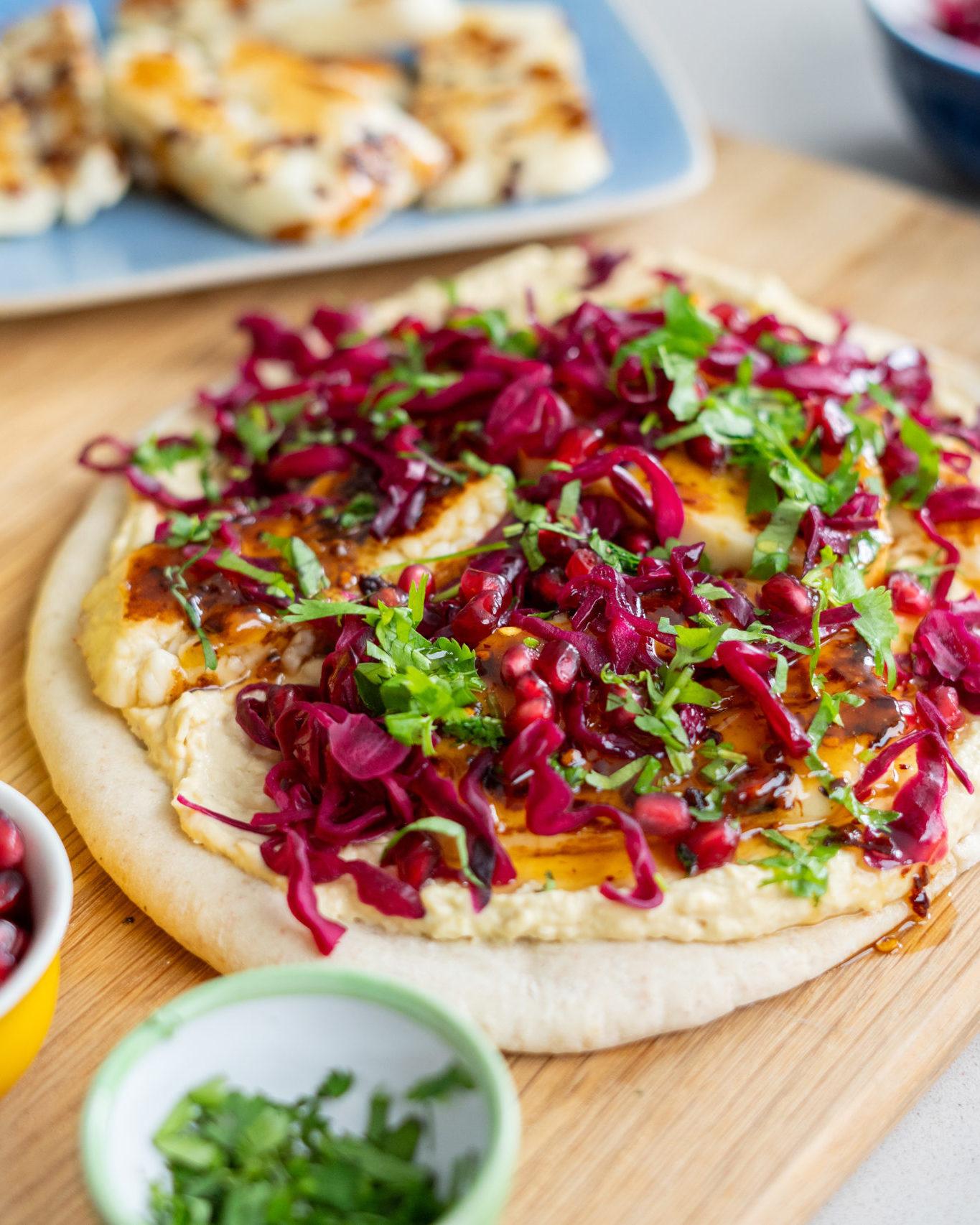
Flatbread: Used as a side or base for dips, like hummus, or topped with ingredients (think pizza or za'atar flatbreads). It can also be used to scoop food, as in Indian naan with curry or Lebanese flatbread with baba ghanouj.
Wrap: Specifically made for wrapping fillings, ideal for tacos, burritos, shawarma, and sandwich wraps. They serve as the main vessel for meals on the go.
Ingredients and Preparation
Flatbread: Often made with a simpler dough, flour, water, salt, and sometimes oil or dairy. It may be leavened (like naan) or unleavened (like pita).
Wrap: Typically made with similar ingredients to flatbread but with added fats or oils to give it more flexibility and a softer texture. Wraps tend to be a little thicker and have a smoother, more uniform consistency.
Cooking Method
Flatbread: Baked, grilled, or cooked on a hot stone or griddle, which can create variations in texture, from crispy to soft.
Wrap: Usually cooked on a griddle or in a pan to soften and become pliable, making them easy to roll around fillings.
Are Flatbreads or Wraps Healthier?
If you’re asking “Are flatbreads or wraps healthier?”, the answer depends largely on the ingredients used. Here’s a breakdown:
Flatbread
Flatbreads tend to be lighter and simpler, often without added fats. Depending on the recipe, they can be relatively low in calories and are great for those looking for a more basic, less processed option.
Healthier option: Whole wheat flatbreads can be a healthier choice, packed with fiber and essential nutrients.
Wraps
Wraps, especially those found in many fast food establishments, are often thicker and contain more oils or butter to make them soft and flexible. These added fats can increase the calorie count.
However, wraps made with whole grains or vegetables (like spinach or tomato wraps) can be a healthier option, providing more vitamins, minerals, and fiber.
Verdict: If you're looking for a lighter, simpler option, flatbreads (especially whole wheat) are likely the healthier choice. However, wraps made with whole grains or vegetable-based doughs can still be a great, healthy alternative if you're mindful of the ingredients.
Summary
While both are flat, flexible breads, they cater to different culinary needs. Flatbreads, with their ancient history, offer a versatile side or base for meals, often enjoyed in Mediterranean and Middle Eastern dishes. Wraps, on the other hand, are designed for portability and convenience, wrapping up everything from meats to veggies in a soft, pliable format.
When it comes to health, the difference often comes down to the ingredients and preparation methods. Whole wheat flatbreads and wraps made with fresh, whole ingredients are the way to go if you’re looking for a healthier option.
Next time you’re craving something delicious and versatile, reach for a wrap for convenience or a flatbread for a more traditional, fresh bite. Either way, Deli Kitchen’s range of wraps and flatbreads has you covered for all your meal prep needs!