

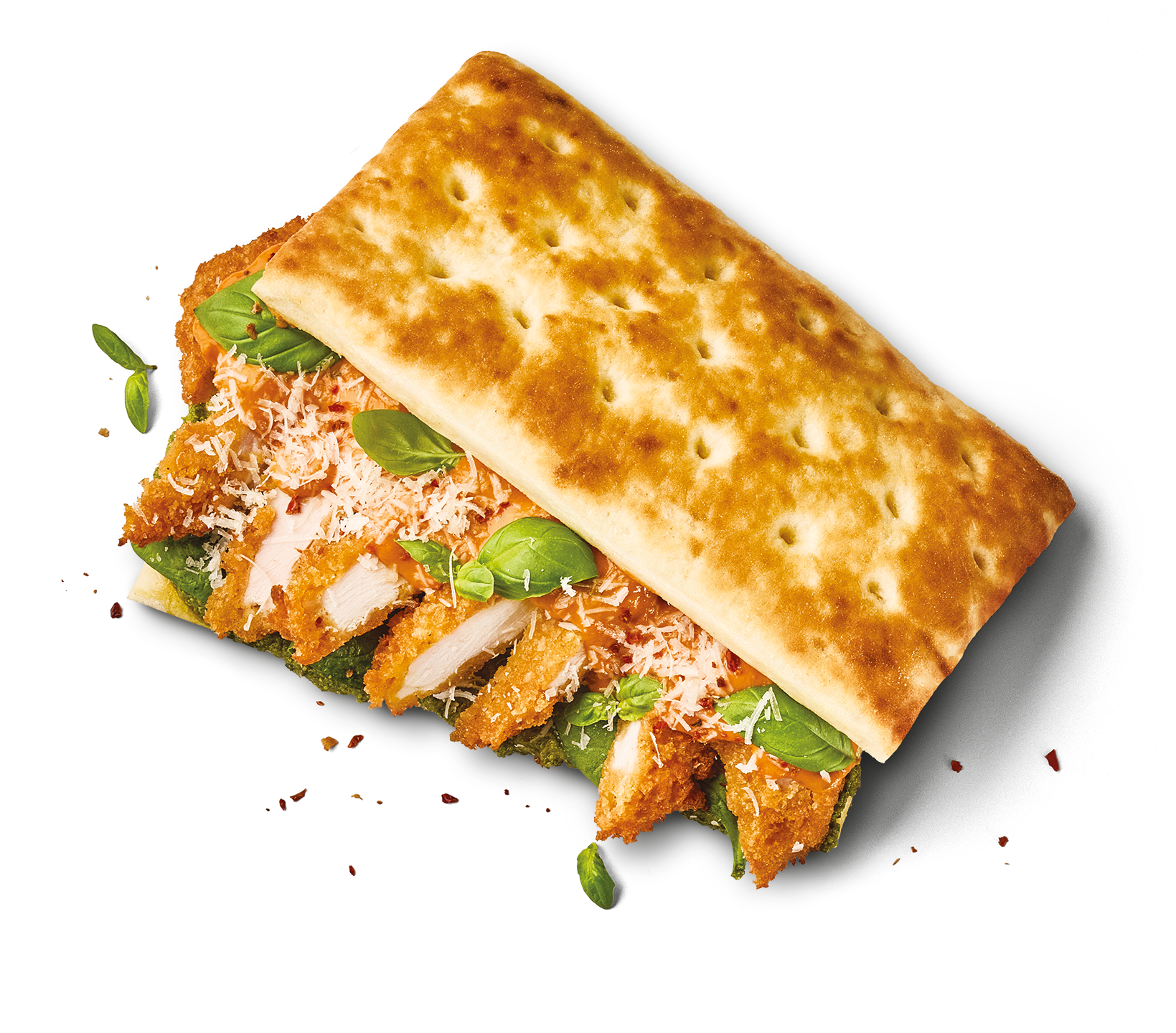
Is Focaccia Healthy?
5 July 2026
Focaccia is one of those beloved breads that balances between rich, flavourful, and comforting. But, when it comes to its health benefits, is focaccia actually healthy?
Focaccia is one of those beloved breads that balances between rich, flavourful, and comforting. Soft, golden, and often infused with rosemary, garlic, and olive oil, it’s no wonder that this Italian classic has earned a permanent spot on many tables. But, when it comes to its health benefits, you might wonder: Is focaccia healthy?
While focaccia can be indulgent, especially when generously drizzled with olive oil, the good news is that it doesn’t have to be a guilty pleasure. Like most foods, it’s all about how it’s made and the ingredients used. Let’s take a closer look at the health aspects of focaccia and explore ways to make it healthier without compromising on its delicious flavour.
Focaccia’s Nutritional Breakdown
To understand if focaccia is healthy, let’s first look at its key ingredients and nutritional values.
The Basic Ingredients of Focaccia
Focaccia is traditionally made from:
Flour (usually white or whole wheat)
Olive oil
Salt
Water
Yeast
Typical Nutritional Profile
On average, a standard slice of focaccia (around 1/8 of a loaf) can contain:
Calories: 150–200 per slice (depending on portion size and toppings)
Carbohydrates: 25–30g
Fat: 4–8g (mostly from olive oil)
Protein: 3–4g
Fibre: 1–2g (more if made with whole grains)
While the olive oil provides healthy fats, focaccia is often made with white flour, which can make it higher in refined carbs and lower in fiber compared to whole grain bread options. Additionally, the use of olive oil, while beneficial in moderation, adds extra calories.
Health Benefits of Focaccia
Olive Oil: The Heart-Healthy Ingredient
One of the key ingredients in focaccia is olive oil, and this is where much of its health benefits come from. Olive oil is a staple of the Mediterranean diet and is packed with monounsaturated fats, which are known for promoting heart health. These healthy fats can help lower bad cholesterol levels and reduce the risk of heart disease.
In addition, olive oil is rich in antioxidants, such as vitamin E, which can help protect your cells from damage caused by free radicals. A little goes a long way in making your focaccia not only tastier but also healthier.
Moderate Protein and Carbs
Focaccia provides a moderate amount of carbohydrates and protein, making it a solid energy source. However, since it’s typically made from white flour, it’s not as nutrient-dense as whole-grain options, which offer more fiber and nutrients. While it may not pack as much protein as a piece of meat or legumes, it does provide enough to balance out the meal when paired with other protein-rich foods.
Customisation for Healthier Choices
Focaccia’s versatility is one of its strengths. You can make it healthier by tweaking the ingredients and adding more nutritious toppings.
How to Make Focaccia Healthier
Now that we’ve established that focaccia can have some health benefits, let’s focus on how to make it a bit more health-conscious without losing the essence of this delicious bread.
1. Go for Whole Grains
The easiest way to boost the nutritional profile of focaccia is by switching from white flour to whole wheat flour or even a combination of whole wheat and white flour. Whole wheat flour is higher in fiber, which promotes better digestion, helps keep you feeling fuller for longer, and stabilises blood sugar levels.
Alternatively, you could experiment with flours like spelt, rye, or even oat flour, each offering unique flavors and additional nutrients. Whole grain focaccia will have a denser texture but will also offer more fiber and B-vitamins.
2. Use Less Olive Oil
While olive oil is a great source of healthy fats, it’s still calorie-dense. To make your focaccia a little lighter, try reducing the amount of olive oil used in the dough or topping it with a thinner layer of oil. You can also brush the dough with a bit of oil before baking, instead of drizzling it heavily after baking. This way, you still get the olive oil's richness without overloading on calories.
3. Add More Veggies
Focaccia can be a great way to pack in more vegetables. Consider adding toppings like sautéed onions, tomatoes, peppers, or spinach to give your focaccia extra flavour, texture, and nutritional value. You can even incorporate herbs like parsley or basil into the dough itself to increase the vitamin content and add a fresh, fragrant twist.
4. Go Light on the Salt
Traditional focaccia recipes often call for a generous amount of sea salt sprinkled on top, but reducing the amount of salt can make the bread healthier. If you’re watching your sodium intake, try using a small amount or replacing it with herb-infused salt or seaweed flakes, which add flavour without the excess sodium.
5. Try Gluten-Free Options
If you’re gluten-sensitive or following a gluten-free diet, you can still enjoy focaccia. Look for gluten-free flour blends, or try using naturally gluten-free options like almond flour or rice flour. Gluten-free focaccia can still be fluffy and flavourful when made with the right ingredients, and it can accommodate those with dietary restrictions.
6. Pair It Wisely
Even though focaccia itself can be high in carbs, pairing it with lean proteins or healthy fats can make for a more balanced meal. Consider serving focaccia alongside a fresh salad with lean protein like grilled chicken or tofu. The addition of protein and fiber can help balance the meal and reduce the overall glycemic load.
Summary
So, is focaccia healthy? The answer is yes, but with some caveats. While focaccia made with white flour and lots of olive oil can be calorie-dense and low in fibre, it also provides heart-healthy fats and moderate protein. By making a few simple adjustments, such as using whole grains, reducing oil, and adding vegetables, you can elevate focaccia to a more nutritious level without sacrificing flavour.
With its rich flavor and soft, airy texture, focaccia can certainly be part of a balanced diet. Enjoy it in moderation, and experiment with healthier variations to fit your lifestyle and dietary preferences.