

Everything You Need to Know About Focaccia
5 July 2026
In this guide, we'll break down everything you need to know about focaccia, from its origins to how you can serve and store it.
Focaccia is one of those simple yet incredible breads that makes everything better, whether it's enjoyed on its own, as a side to a hearty meal, or used to make a delicious sandwich. If you've ever wondered about this Italian classic, you've come to the right place. In this guide, we'll break down everything you need to know about focaccia, from its origins to how you can serve and store it.
What is Focaccia?
Focaccia is a flat, oven-baked Italian bread that’s similar in texture to pizza dough, though it’s typically thicker and fluffier. This versatile bread is known for its rich, olive oil-infused flavor and soft, pillowy interior, with a slightly crisp crust. It’s often seasoned with rosemary, salt, and other herbs, but can also be topped with a variety of other ingredients, such as olives, garlic, or tomatoes.
Focaccia is often enjoyed as an accompaniment to soups and salads, used for sandwiches, or simply eaten with a drizzle of extra virgin olive oil. Its flavour and texture make it a favourite for many, whether you're a bread enthusiast or just looking for a satisfying snack.
Where Does Focaccia Come From?
Focaccia hails from Italy, specifically the region of Liguria, although variations of the bread can be found throughout the country. The name “focaccia” is derived from the Latin word focus, meaning "hearth" or "fireplace," reflecting its ancient origins when it was traditionally baked on the hearth. Focaccia’s history dates back to Roman times, and it was considered a simple, rustic bread often enjoyed by soldiers and workers for its practicality and hearty nature.
While focaccia is often associated with Liguria, each Italian region has its own take on the bread. In Genoa, the bread is famously topped with olive oil and sea salt, while other regions may add toppings like onions, anchovies, or even raisins and pine nuts for a sweet-savoury twist.
What Does Focaccia Taste Like?
Focaccia is known for its rich, flavourful taste, thanks to the generous amount of olive oil in the dough and the variety of seasonings used on top. The exterior has a satisfying crunch, while the interior remains soft and airy, with a light, chewy texture. Its flavour is often described as a balance of savoury and slightly sweet, with the olive oil giving it a luscious, buttery mouthfeel.
The toppings also play a huge role in the flavour of focaccia. The classic rosemary and sea salt version delivers an aromatic, earthy taste, while variations with olives, garlic, or other herbs can add complexity and depth. Whether you're enjoying a simple slice or a more elaborate version with additional toppings, focaccia is undeniably delicious.
How is Focaccia Made?
Making focaccia is a simple process, but it requires patience and attention to detail to get the perfect texture. Here’s a basic overview of how focaccia is made:
The Dough: Focaccia dough is made from flour, water, yeast, salt, and olive oil. The high oil content is key to creating the soft, moist crumb and golden crust. The dough is mixed and kneaded until smooth, then allowed to rise for a few hours until it doubles in size.
Shaping and Proofing: Once the dough has risen, it’s stretched out on a baking sheet, then dimpled with fingers to create the characteristic uneven surface. This allows the dough to bake evenly and ensures that the olive oil will seep into the dough’s nooks and crannies.
Topping: After shaping, the focaccia is drizzled with more olive oil and seasoned with salt, rosemary, or other toppings of choice. Some variations might include caramelised onions, olives, or even sun-dried tomatoes.
Baking: The focaccia is then baked in a hot oven (usually around 400°F / 200°C) for 20-30 minutes, or until the top is golden and crispy, and the interior remains soft and airy.
How to Serve Focaccia
Focaccia is incredibly versatile when it comes to serving. Here are some ideas for how to enjoy it:
As a Side: Serve focaccia alongside soups, salads, or pasta dishes for a hearty accompaniment. It’s perfect for soaking up sauces or dipping in olive oil and balsamic vinegar.
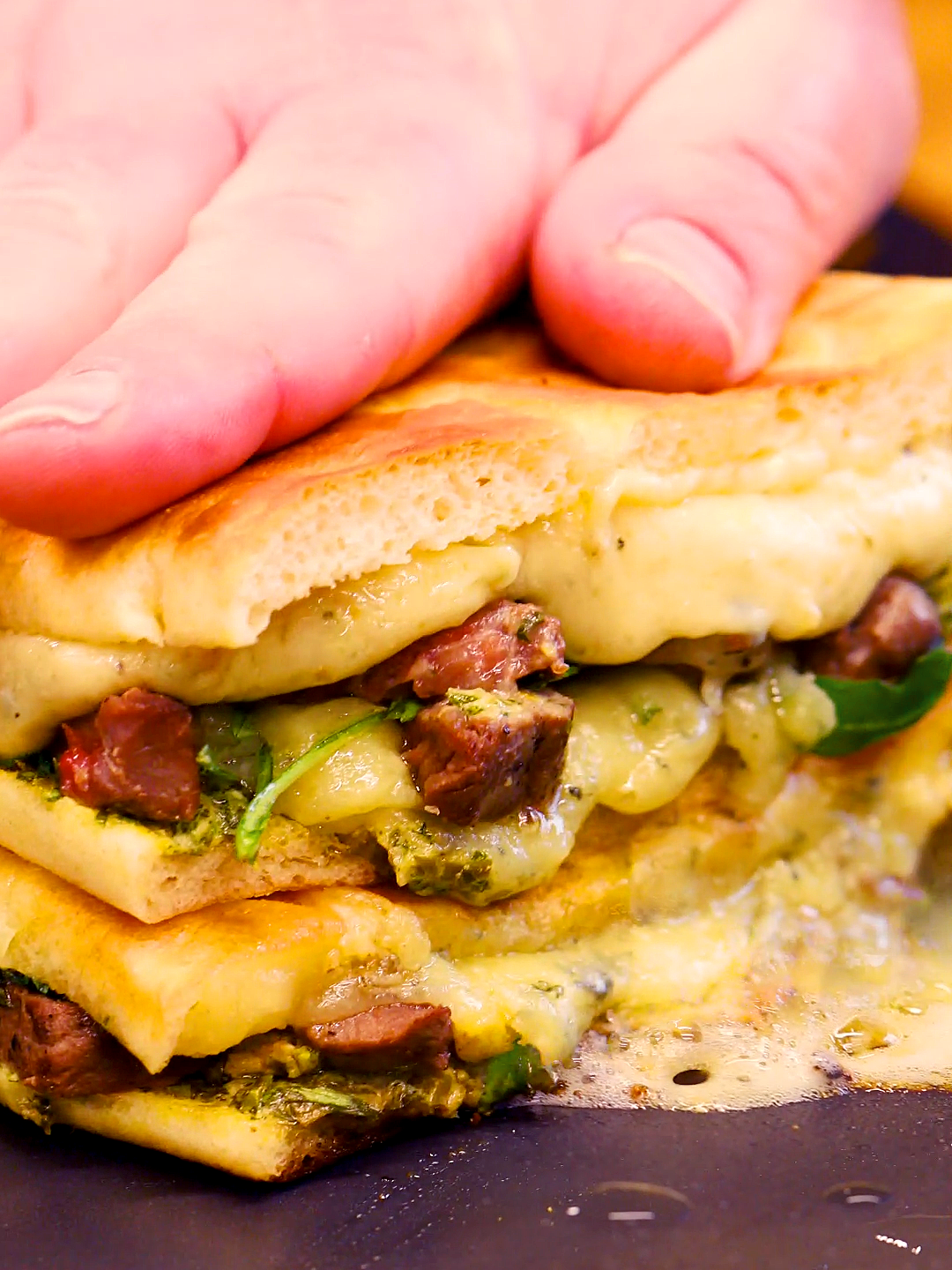
For Sandwiches: Use slices of focaccia as the base for sandwiches. It pairs wonderfully with ingredients like roasted vegetables, cured meats, cheeses, or spreads like pesto or hummus.
For Snacks: Slice it into small squares or wedges and enjoy it on its own as a snack, paired with a cheese platter or olives.
With Breakfast: Try it toasted with a spread of butter, jam, or cream cheese for a simple breakfast option.
No matter how you serve it, focaccia is always a crowd-pleaser.
How to Store Focaccia
If you find yourself with leftover focaccia (which isn’t always the case), storing it properly will help maintain its delicious flavor and texture:
Room Temperature: Focaccia can be kept at room temperature for up to 2 days. Simply wrap it in a clean kitchen towel or place it in a paper bag to keep it from getting soggy.
Refrigeration: If you need to store it longer, place the focaccia in an airtight container and refrigerate for up to 5 days. However, keep in mind that refrigeration may slightly alter the texture, making it less fluffy.
Freezing: For longer storage, focaccia can be frozen. Wrap the cooled focaccia tightly in plastic wrap or foil, then place it in a freezer bag. When you're ready to enjoy it, simply thaw at room temperature or warm it in the oven for a few minutes to regain its crispiness.
Summary
Focaccia is a beloved Italian bread that combines simplicity with rich flavour. From its humble origins in ancient Rome to its current status as a versatile side or sandwich bread, focaccia has remained a staple in kitchens around the world. Whether you’re savouring a classic rosemary version or experimenting with different toppings, focaccia always delivers on taste and texture.
With its soft crumb, crisp crust, and endless serving options, it’s a bread that never disappoints.