

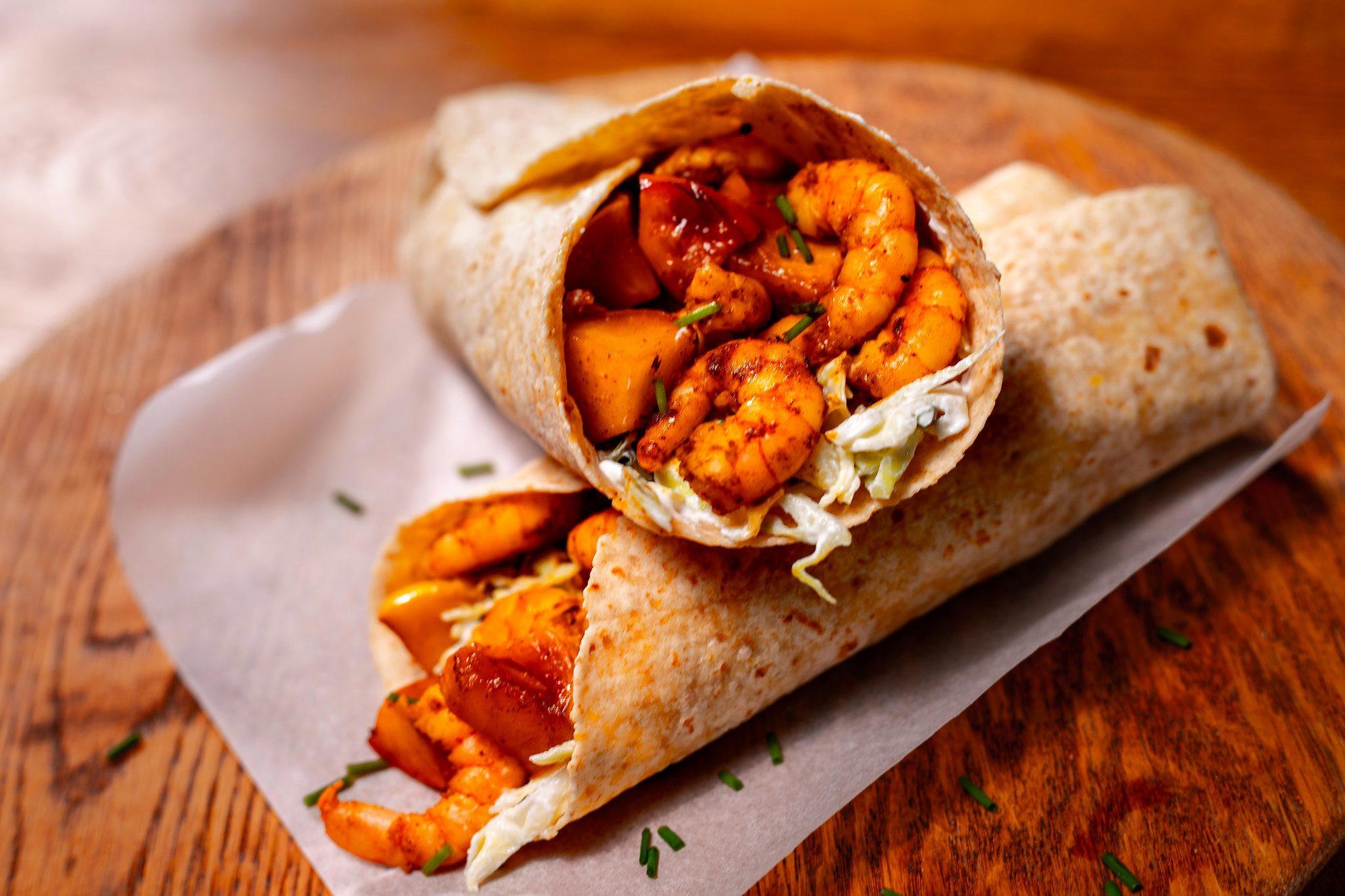
Wraps vs Bread: What's Better For You?
5 July 2026
In this blog, we’ll break down the differences between wraps and bread, compare their nutritional profiles, and help you figure out which option works best for you.
When it comes to choosing the best base for your sandwich, meal, or snack, the decision often comes down to wraps vs bread. Both are incredibly versatile, but which one should you be reaching for if you’re looking for a healthier option? From wraps to loaves of bread, the choices can be overwhelming, especially when you start thinking about wrap vs bread nutrition.
In this blog, we’ll break down the differences between wraps and bread, compare their nutritional profiles, and help you figure out which option works best for your lifestyle and dietary goals.
What’s the Difference Between Wraps and Bread?
At their core, wraps vs bread are both made from flour, water, and a few other simple ingredients like salt and yeast. But the biggest difference lies in their shape, texture, and preparation.
Bread: Traditional bread comes in loaves, slices, and rolls, with a texture that can range from soft and fluffy to hearty and dense. Bread is typically made from wheat flour, though other grains like rye, spelt, and gluten-free options exist.
Wraps: Wraps are thinner, flexible pieces of flatbread designed to be rolled around fillings. They are usually softer and more pliable than traditional bread, making them perfect for quick, portable meals.
While both can be made from refined or whole grains, wraps tend to be thinner and lighter, and many modern wraps are made with added ingredients like oils, herbs, or seeds for extra flavour and texture.
Wrap vs Bread Nutrition: Which One Is Healthier?
When it comes to wrap vs bread nutrition, there’s no simple answer, each has its strengths depending on the type and what you’re looking for in a meal. Let’s dive into a breakdown of both, focusing on key nutritional factors.
Calories and Carbohydrates
Bread: Typically, one slice of white bread (about 25g) contains around 70-80 calories and 12-15g of carbohydrates. Whole wheat bread, while slightly more calorie-dense due to its higher fiber content, offers a more substantial option in terms of nutrients.
Wraps: One average-sized wrap (about 50-60g) typically contains 120-200 calories, depending on its size, ingredients, and thickness. Many wraps are more calorie-dense than a slice of bread, especially if they contain additional oils, seeds, or other ingredients to add flexibility.
Verdict: If you’re counting calories or looking for something lighter, a slice of bread (particularly whole grain) may be the better option. However, if you want more flexibility in your meals, wraps can be a filling choice, especially when paired with nutritious ingredients.
Fibre
Bread: Whole grain breads tend to have more fibre, ranging from 2-4g per slice. This fiber is essential for digestive health and helps keep you feeling full longer. White bread, on the other hand, is lower in fiber, usually around 1g per slice.
Wraps: Similar to bread, wraps made from whole grains or legumes (like whole wheat, spelt, or chickpea wraps) tend to have more fibre. These can offer anywhere from 2-5g of fibre per wrap, depending on the type. Refined wraps tend to have less fibre, often similar to white bread.
Verdict: Whole wheat bread and whole grain wraps both offer a good amount of fibre. If fibre is a priority for you, either option can be a good choice but make sure you’re reaching for whole grain varieties to maximise fibre intake.
Protein
Bread: Bread doesn’t pack a significant amount of protein, with most slices offering about 2-3g. However, breads made from whole grains or seeds (like quinoa bread) tend to have a bit more.
Wraps: Wraps often contain slightly more protein than traditional bread, especially those made with whole grains or chickpea flour. Protein content can range from 3-7g per wrap, depending on the ingredients.
Verdict: Wraps may have a slight edge in protein content, particularly if they are made from chickpeas or other legume-based flours. For a balanced meal, consider pairing either with protein-rich fillings like grilled chicken, turkey, or hummus.
Fats
Bread: Most bread contains little to no fat unless it’s enriched with butter, oil, or other fats. A typical slice of bread contains less than 1g of fat, which makes it a low-fat option.
Wraps: Some wraps contain added fats like olive oil or sunflower oil, which increase their fat content. A typical wrap can contain anywhere from 4-8g of fat per serving, especially in wraps made for a richer texture or flavour.
Verdict: Bread is typically lower in fat than wraps, but if you’re looking for healthy fats, wraps made with olive oil or seeds may provide added benefits. Just be cautious of wraps that are high in saturated fats or preservatives.
Which One Is Better for You?
Deciding whether wraps or bread is better for you depends on your dietary goals, preferences, and what you’re filling it with. Here’s a quick comparison:
Bread: If you’re looking for something lower in calories and fat, traditional bread (especially whole grain) is your best bet. It’s also a great source of fiber and can be a bit more filling when paired with protein-rich toppings.
Wraps: If you’re looking for a more portable option or want a lighter base for wraps, wraps are ideal. They tend to be more versatile, especially if you’re looking to load up with ingredients like grilled vegetables, lean meats, or fresh salads.
Ultimately, both wraps and bread can be part of a healthy, balanced diet. Opt for whole grains whenever possible, and choose wraps or bread that suit your nutritional needs and preferences.
Summary
The debate of wraps vs bread often comes down to personal preference, convenience, and nutritional needs. Bread offers a classic, lower-fat option with plenty of fiber when you choose whole grain varieties. Wraps, on the other hand, can be a more flexible option with the potential for higher protein and fat content, depending on the type.
When considering wrap vs bread nutrition, always keep an eye on your specific dietary goals (whether it’s cutting calories, adding fibre, or boosting protein) and choose the option that best supports your lifestyle.
So, whether you’re filling a wrap with your favourite ingredients or enjoying a sandwich on fresh bread, both can be a part of a healthy and satisfying meal.