

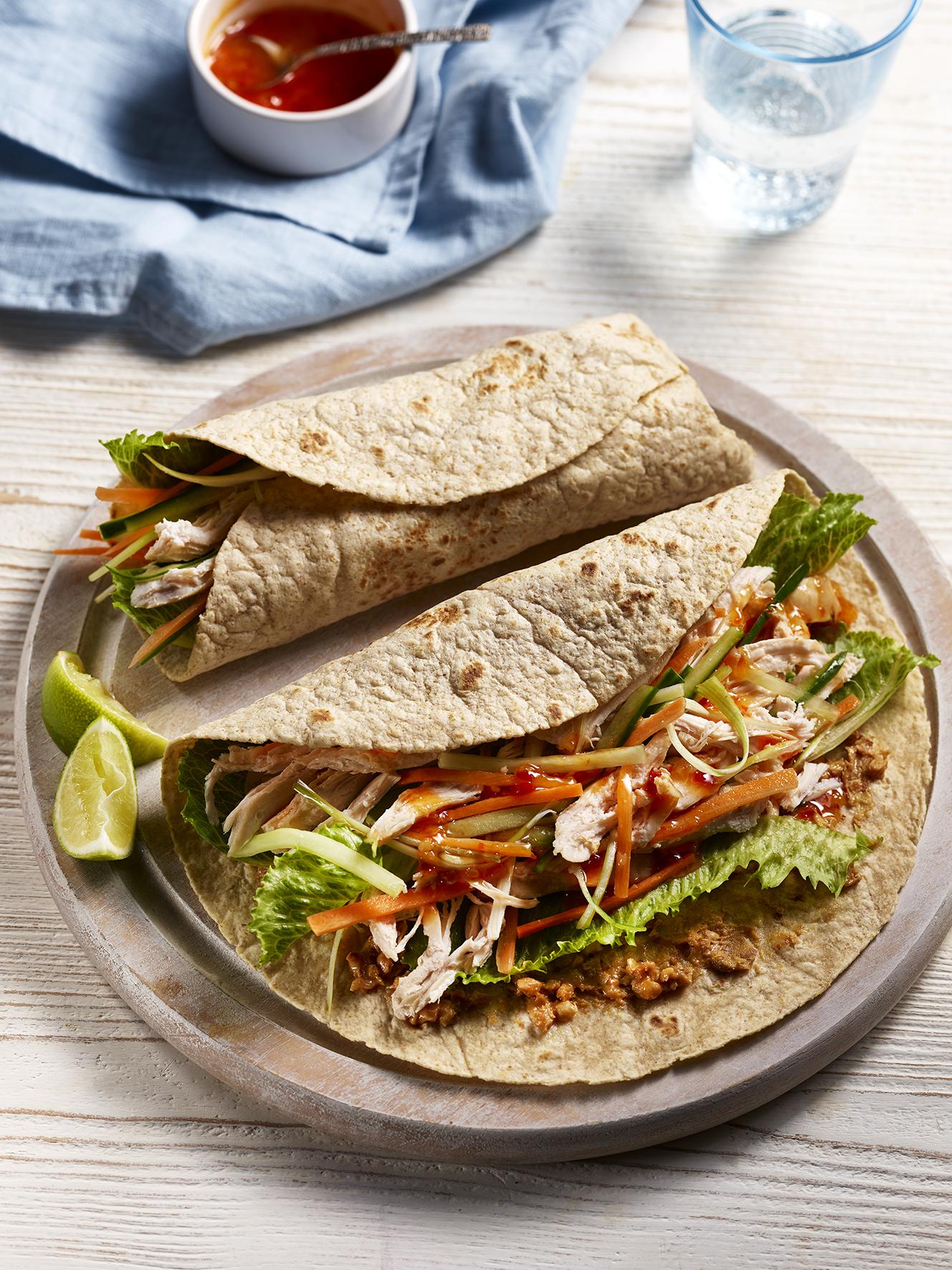
Are Low Carb Wraps Healthy?
29 June 2026
You stand in the supermarket aisle, a pack of low-carb wraps in your hand. The label screams "healthy," but you're skeptical. Are they truly a good choice, or just clever marketing?
Are UK adults getting enough fibre? The simple answer is no. While health experts recommend a daily target of 30g, the average person consumes only 18-20g. This leaves a significant gap that affects digestive health and overall wellbeing. The good news is that bread contributes around 17-20% of the nation's fibre intake, making the bread aisle a brilliant place to start closing this gap. By swapping standard white loaves for fibre-rich varieties, wraps, and flatbreads, anyone can take meaningful steps towards hitting their daily fibre goals. Small changes to bread choices can deliver surprisingly big health rewards.
Why Fibre Matters for Your Health
Dietary fibre is a crucial component of a healthy diet, and bread serves as a significant source for many. In the UK, it contributes a remarkable 17-20% of total fibre intake, making everyday bread choices genuinely important. Fibre plays a vital role in keeping the digestive system running smoothly. It adds bulk to stool, speeds up transit time through the gut, and helps prevent constipation. Without adequate fibre, digestion can become sluggish and uncomfortable.
Choosing fibre-rich bread options brings a host of health benefits. These include improved digestion, better gut health, and support for the beneficial bacteria that live in the intestines. A fibre-rich diet has also been linked to a potential reduction in chronic disease risk, including heart disease, type 2 diabetes, and certain cancers. Fibre helps manage weight by promoting feelings of fullness and slowing digestion, making it easier to maintain a healthy balance.
Understanding the two main types of fibre can help consumers make better bread choices. Insoluble fibre, found abundantly in wholegrains, bran, and wheat-based bread, does not dissolve in water. Instead, it absorbs liquid, adds bulk to stool, and speeds up transit time through the digestive tract. This type is particularly effective for relieving constipation and improving regularity. Soluble fibre, present in oats, seeds like flaxseeds, and certain grains, dissolves in water to form a gel-like substance. This slows digestion, feeds beneficial gut bacteria, and may help lower cholesterol and stabilize blood sugar levels. The concept of solubility simply refers to how fibre behaves in liquid, and both types work together for optimal gut health.
It is important to increase fibre intake gradually. Suddenly adding large amounts can cause bloating, gas, or digestive discomfort. Building up slowly and choosing a variety of bread types ensures the body adjusts comfortably while maximizing the wide-ranging health benefits fibre offers.
Spotting Fibre-Rich Ingredients
When searching for high-fibre bread, the real story is on the ingredients list, not just the claims on the front of the package. The order reveals everything; the first ingredient listed is the most prominent in the product. Ideally, shoppers should look for a wholegrain as the very first ingredient. This simple check can immediately distinguish a truly fibre-rich loaf from a less nutritious option.
Key fibre-boosting ingredients to look for include:
Wholegrains: Whole wheat, rye, barley, and oats are grains that retain all three parts, the bran, germ, and endosperm. This means they keep their natural fibre, vitamins, and minerals intact, unlike refined grains.
Bran Additions: Wheat bran and oat bran are concentrated sources of fibre. Bread with added bran packs an extra punch in the fibre department.
Seeds and Grains: Flaxseeds, sunflower seeds, and chia seeds not only add a satisfying texture and nutty flavor but also contribute valuable fibre, healthy fats, and other nutrients.
On the flip side, there are ingredients worth avoiding. Refined flours, which have had the bran and germ stripped away, lack the fibre found in wholegrains. Added sugars and long lists of preservatives or additives signal a more processed product that offers little nutritional benefit. The fibre comparison between white and wholemeal bread is stark: white bread typically contains just 2.5-2.9g of fibre per 100g, while wholemeal bread delivers a robust 6.7-7g per 100g. That is nearly three times as much fibre in the same serving size.
Ultimately, grains, seeds, and bran form the foundation of high-fibre bread choices. By learning to spot these ingredients and understanding their benefits, shoppers can confidently select bread that truly supports their health and fibre goals.
Best Bread Varieties to Boost Your Fibre Intake
Navigating the bread aisle for a high fibre option can be complex. Different bread varieties offer wildly different nutritional profiles. While a standard white loaf contains minimal fibre, other options pack a powerful punch. Understanding the key varieties helps shoppers make informed choices that align with their health and fibre goals.
Wholegrain & Wholemeal Bread
Wholegrain and wholemeal bread are made from intact whole grains that include the bran, germ, and endosperm. This means all the natural fibre, vitamins, and minerals remain in the flour. Nutritionally, wholemeal bread is a powerhouse, offering around 6.7-7g of fibre per 100g, or approximately 2.4g per slice. These breads are incredibly versatile, perfect for sandwiches, breakfast toast, and everything in between. When shopping, consumers should check the nutrition label to ensure "wholegrain" or "whole wheat" is listed as the first ingredient, confirming the bread is genuinely made from whole grains.
Rye Bread
Rye bread boasts a high fibre content and unique health benefits thanks to the rye grain itself. Wholegrain rye bread typically contains around 5.6g of fibre per 100g, though this can vary. Shoppers will find several variations, including light rye, dark rye, and pumpernickel. Generally, darker varieties indicate a higher proportion of whole rye grains and, therefore, more fibre. Rye has a distinctive, slightly tangy taste and a dense, hearty texture that many find satisfying and filling.
Oat Bread
Oat bread stands out for its oat bran content and soluble fibre benefits. Some oat-based breads can contain as much as 9.4g of fibre per 100g, making them an excellent choice for those targeting higher fibre intake. Oats support both gut health and heart health through their unique ability to form a gel during digestion, which slows the absorption of sugars and may help lower cholesterol. Oat bread is often found in multi-grain blends, combining the benefits of oats with other wholegrains.
Sourdough Bread
Authentic sourdough bread, particularly wholegrain varieties, offers digestive benefits due to the natural fermentation process. Fermentation partially breaks down the grains, which some people find easier to digest. However, not all sourdough is high in fibre. Shoppers should specifically look for sourdough made with wholegrains or seeds to maximize the fibre content, aiming for at least 3g per slice. An excellent example is Deli Kitchen's Pinsa, an Italian-style Pinsa bread made with sourdough and extra virgin olive oil, offering a delicious and nutritious option.
Seeded Bread
Seeded bread provides an impressive fibre boost thanks to the addition of seeds like flaxseeds, chia seeds, and sunflower seeds. These tiny powerhouses add both texture and nutrition, contributing healthy fats, protein, and extra fibre. For those seeking a bread swap that ticks the fibre box, Deli Kitchen's Everything Wraps are a fantastic choice. Seasoned with mixed seeds, onion, garlic, and sea salt, they bring flavor and fibre to lunches and snacks, helping consumers reach their daily fibre goals with ease.
Decoding Food Labels in the Bread Aisle
Nutrition labels are essential tools for any consumer seeking to identify high-fibre bread. In the UK, these labels conveniently break down nutritional information, listing fibre content both per 100g and per serving. This dual presentation allows shoppers to compare products on a level playing field and understand exactly how much fibre they will get from their chosen bread.
When examining a nutrition label, the best approach is to check the "per 100g" column first. This standardized measurement makes it easy to compare different products fairly, regardless of slice size or loaf weight. Once a product looks promising, shoppers can then look at the "per serving" value to see how much fibre their typical portion size will provide. A bread serving size is generally one slice, which can weigh anywhere from 25g to 40g depending on the product and how it is cut.
As a guideline, bread offering at least 3g of fibre per serving or 6g per 100g is considered a good source of fibre. To put this in perspective, two slices of wholemeal bread provide approximately 7g of fibre, contributing meaningfully toward the recommended 30g daily target. This shows how choosing the right bread can quickly add up and make a real difference.
However, shoppers must stay alert for misleading terms on food labels. The word "multigrain" sounds healthy, but it simply means the bread contains more than one type of grain. These grains may still be refined, meaning they have been stripped of their fibre-rich bran and germ. In contrast, terms like "wholegrain" or "100% whole wheat" indicate that the grains used are whole and intact, complete with all their natural fibre. The safest way to verify this is by checking that wholegrains appear first on the ingredients list.
Finally, portion size considerations matter when tracking fibre intake. The bread serving size listed on the label affects how much fibre one actually consumes. Someone eating thicker slices or multiple servings will get more fibre than the label suggests per serving. Fiber intake should be tracked across all meals and fibre sources, including vegetables, fruits, beans, and wholegrains, to reach the 30g daily goal.
Navigating the Bread Aisle Like a Pro
To navigate the bread aisle effectively, shoppers should prioritise the ingredients list and nutrition label over splashy front-of-package claims. The real story of a loaf's nutritional value is found in the fine print. By flipping the package over, consumers can make informed decisions that align with their health goals, ensuring they select a truly high-fibre product.
Smart shopping for high-fibre bread is straightforward with a few key strategies. Shoppers can confidently choose the best options by following these tips:
Check the Ingredients First: Look for terms like "whole wheat," "wholegrain," "rye," or "oats" listed as the very first ingredient. This indicates the flour has not been stripped of its fibrous bran and germ.
Compare Fibre Content: Aim for products providing at least 3 grams of fibre per 100g to be a "source of fibre," or over 6 grams per 100g for a "high-fibre" choice. Wholemeal bread typically contains around 7g per 100g.
Scan for Seeds and Bran: Breads enriched with additions like flaxseeds, oat bran, or wheat bran offer an extra boost of fibre and other valuable nutrients.
Avoid Ultra-Processed Options: It is best to minimise purchases of bread containing long lists of additives, preservatives, refined flour, or excessive sugar, which offer little nutritional benefit.
Exploring the vast array of bread varieties is part of the fun. From dense rye to seeded wholemeal, there is a texture and taste for everyone. Some products brilliantly combine the best of both worlds, offering a lighter texture with a good fibre kick. For example, Deli Kitchen's Wheat & White Wraps provide a great source of fibre in a vegan-friendly format, serving as a delicious, lighter alternative to traditional bread.
Making Fibre-Rich Bread Part of Your Routine
Integrating fibre-rich bread into a daily diet is a simple yet effective strategy for reaching health goals. With UK adults aiming for 30g of fibre daily, understanding how bread fits into this target is helpful. Two slices of wholemeal bread provide approximately 7g of fibre, which is nearly a quarter of the daily recommendation. This leaves room for fibre from other important sources like vegetables, fruits, pulses, and wholegrains throughout the day.
There are countless creative ways to enjoy bread beyond the basics of sandwiches and toast:
Breakfast Toast: Top wholegrain or seeded toast with avocado, nut butter, or mashed beans for a fibre-packed start to the day. These toppings add even more fibre, protein, and healthy fats.
Sandwiches: Use wholegrain or seeded bread and load it up with plenty of vegetables like lettuce, tomatoes, cucumbers, and peppers. This combination maximizes both fibre and nutrients.
Alternatives: Try wraps and flatbreads for variety. They are portable, versatile, and can be just as nutritious as traditional sliced bread.
Speaking of alternatives, Deli Kitchen offers a fantastic range of products that serve as smart bread swaps. Protein Wraps, with 10g of protein per wrap, are ideal for lunch on the go. Protein Folded Flatbreads provide 13.5g of protein and just 107 calories per flatbread, making them a lighter option for those watching their calorie intake. For homemade kebabs, gyros, or wraps, Lebanese Style Flatbreads and Greek Style Flatbreads are soft, flexible, and delicious. Meanwhile, Chargrilled Wraps and Plain Wraps, made with extra virgin olive oil, bring a simple, quality flavor to any meal.
Balance is key. Bread is one important piece of the fibre puzzle, but variety truly creates the best nutrition approach. Combining high-fibre bread with a diet rich in vegetables, beans, fruits, and other wholegrains ensures a well-rounded intake that supports digestion, gut health, and overall wellbeing.
Wraps, Flatbreads & Other Fibre-Rich Alternatives
For those seeking to boost their fibre intake, the world beyond traditional sliced bread offers delicious possibilities. Exploring alternatives like wraps and flatbreads can provide much-needed variety while still supporting fiber goals. These options are often more portable, versatile, and convenient for modern lifestyles.
A common question is, "Are wraps high in fiber?" The answer depends entirely on the ingredients. Wraps made with wholegrains and seeds can be excellent sources of fibre, while those made with refined white flour offer much less. The key is to check the ingredients list and nutrition label, just as one would with bread. Wholegrain and seeded varieties offer the most fibre and nutritional value.
Deli Kitchen offers an impressive range of wraps and flatbreads that make fibre-boosting easy and enjoyable. Wheat & White Wraps are a great source of fibre and vegan-friendly, striking a perfect balance between taste and nutrition. Everything Wraps are packed with mixed seeds for extra nutrition and fibre, delivering bold flavor in every bite. For those keeping things light, Carb Lite Wraps are perfect, soft, vegan-friendly, and lower in carbohydrates. Plain Folded Flatbreads contain only 107 calories per flatbread, making them a lighter lunch alternative to traditional bread. Persian Flatbreads are perfectly baked for tearing and sharing, ideal for social meals. Greek Style Flatbreads are soft and flexible, great for homemade kebabs or gyros that the whole family will love.
There are also specialty options for those with specific dietary needs or preferences. Colombian Style Buns, made with a blend of corn and wheat flour, offer a unique texture inspired by authentic Colombian arepas. Sliced Focaccia is a deliciously soft, pre-sliced olive oil bread that is also vegan, perfect for quick meals or snacks. Brioche Style Wraps cater to those who cannot decide between sweet or savoury, offering a versatile option for any occasion.
For consumers focused on protein alongside fibre, Deli Kitchen's protein-enhanced options provide the best of both worlds. Protein Wraps, Protein Folded Flatbreads, and Protein Crumpets add substantial protein and variety to meals, supporting muscle health and satiety. Protein Banana Pancakes, made with banana puree and packing 7.9g of protein per pancake, are a brilliant breakfast alternative that feels indulgent while supporting nutrition goals.
Variety keeps meals interesting and ensures a broad spectrum of nutrients. Experimenting with these wraps, flatbreads, and alternatives allows consumers to find their favorites while supporting their fibre intake and overall health. Whether it is a quick lunch, a family dinner, or breakfast on the go, these options make it easier than ever to hit daily fibre goals without sacrificing flavor or convenience.
Start Your Fibre Journey Today
Embarking on a higher fibre journey is simpler than many people think, and it can begin in the bread aisle. Making conscious choices like opting for wholegrain, wholemeal, rye, or seeded varieties powerfully boosts daily intake. Consumers can also explore fibre-rich wraps and flatbreads for delicious variety. A crucial habit is reading nutrition labels carefully to identify products with at least 3g of fibre per slice or 6g per 100g. Gradually increasing fibre helps the body adjust comfortably, preventing digestive discomfort along the way.
Small swaps truly make a meaningful difference to gut health, digestion, and overall wellbeing. Whether it is switching to wholemeal toast for breakfast or trying protein-packed wraps for lunch, every change counts. There is no need to overhaul everything at once. Start with one or two simple changes, build confidence, and expand from there. The journey to better health through fibre is achievable, enjoyable, and absolutely worth it.